The Table as a Teacher: Rethinking Lunchtime as a Designed Part of the School Day
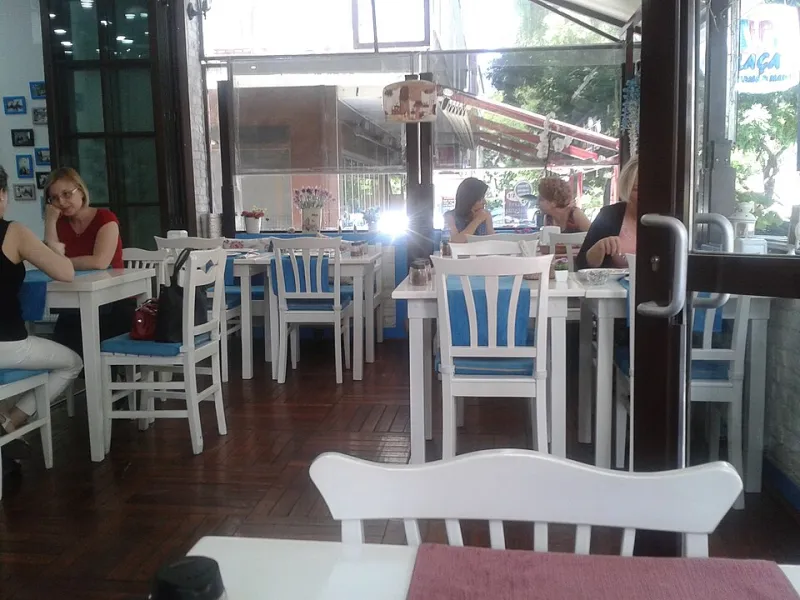
Photo: E4024, CC BY-SA 4.0, via Wikimedia Commons
Lunch is often described as a break from learning, a necessary pause between the serious work of morning classes and the serious work of afternoon ones. That description is convenient, but it is not accurate. In most schools, the lunchroom is one of the few settings where students choose where to sit, whom to approach, what to reveal, and how to recover from the morning. It is a social laboratory with trays. For that reason, it deserves the same intentional design that schools bring to reading groups, science labs, and advisory periods.
The Social Curriculum of a Tray Table
Friendships are often made not in the structured hour but in the unstructured twenty minutes. A student who never raises a hand in class may become the person who remembers a classmate's favorite snack. A student who struggles to enter a game at recess may find a willing partner over a shared lunch. These moments are small, but they are not trivial. They teach children how to read a room, how to extend an invitation, how to recover from a awkward moment, and how to share space with people whose habits and backgrounds differ from their own.
The same setting can also teach harder lessons. Exclusion at lunch is often quiet: a saved seat, a turned shoulder, a table that fills before a child arrives. Because lunch is less supervised than a classroom and more public than a hallway, small gestures can carry unusual weight. Schools that treat lunch as a purely logistical interval leave these dynamics to chance. Schools that treat it as part of the curriculum can name them, shape them, and give students better tools.
When the Room Is Too Loud, Too Bright, Too Much
For some students, the cafeteria is the most overwhelming part of the day. The noise level rises quickly, smells mix, lighting can be harsh, and the expectation to socialize is constant. A child with sensory sensitivities may spend the first ten minutes simply trying to regulate. A child with food allergies may feel anxious about sharing a table. A child whose family observes dietary restrictions may worry about explaining a lunch that looks different.
These are not minor details. They are conditions that determine whether a student can eat, settle, and connect. A thoughtful school will consider quiet tables, clear allergen protocols, predictable routines, and staff training that goes beyond behavior management. It will also make room for families to communicate dietary, medical, and sensory needs before a problem becomes a pattern. At Marlton School, we regard these conversations as part of responsible care, not as special requests that sit outside the ordinary life of the school.
The Adult in the Room
The adults who supervise lunch are not merely keeping order. They are setting the emotional temperature of the room. A supervisor who stands apart and scans for trouble will produce a different lunchroom than one who circulates, notices a student eating alone, and helps a newcomer join a table without making a spectacle of it. The goal is not a silent cafeteria. The goal is a safe one, where belonging is actively supported and dignity is protected.
That work requires training. Adults need language for redirecting exclusion without shaming, for intervening in low-level conflict before it escalates, and for recognizing the difference between a child who wants solitude and a child who is stuck in it. They also need backup. A school that asks one adult to manage a crowded room with no shared expectations is not designing lunchtime; it is hoping for the best.
Coaching at Home, Designing at School
Families can help without turning lunch into a nightly interrogation. Instead of asking whether a child had a good day, ask what happened at the table. Rehearse a simple opening line for joining a group. Talk through a backup plan for days when a usual seat is taken. Teach the difference between inviting oneself into a conversation and interrupting it. These are social skills, and like any skill, they improve with practice.
Schools can do their part by designing lunch periods with the same care they give to academic schedules. That may mean staggered seating, lunch buddies, inclusive club tables, quieter zones, and consistent adult expectations. It may mean surveying students about what actually happens in the cafeteria rather than assuming the room works because the schedule says it does. It also means treating lunch as a place where character is practiced, not merely a place where food is consumed.
A Small Period With Large Consequences
A lunch period lasts less than an hour, but its effects can last much longer. Students remember who made room for them and who did not. They remember whether adults noticed. They remember whether the room felt like theirs. If schools want students to become capable, considerate people, the lunchroom cannot remain an afterthought. It is part of the lesson plan, whether or not anyone has written it down.